Have you ever killed a houseplant and felt a pang of guilt, only to swear off greenery forever? I’ve been there. In fact, I used to think faux plants were just sad, dusty replicas that belonged in the ’80s. But let me tell you, my perspective changed when I swapped out my real plants for some low-maintenance faux ones—and the difference was shocking.
Why I Switched to Faux Plants
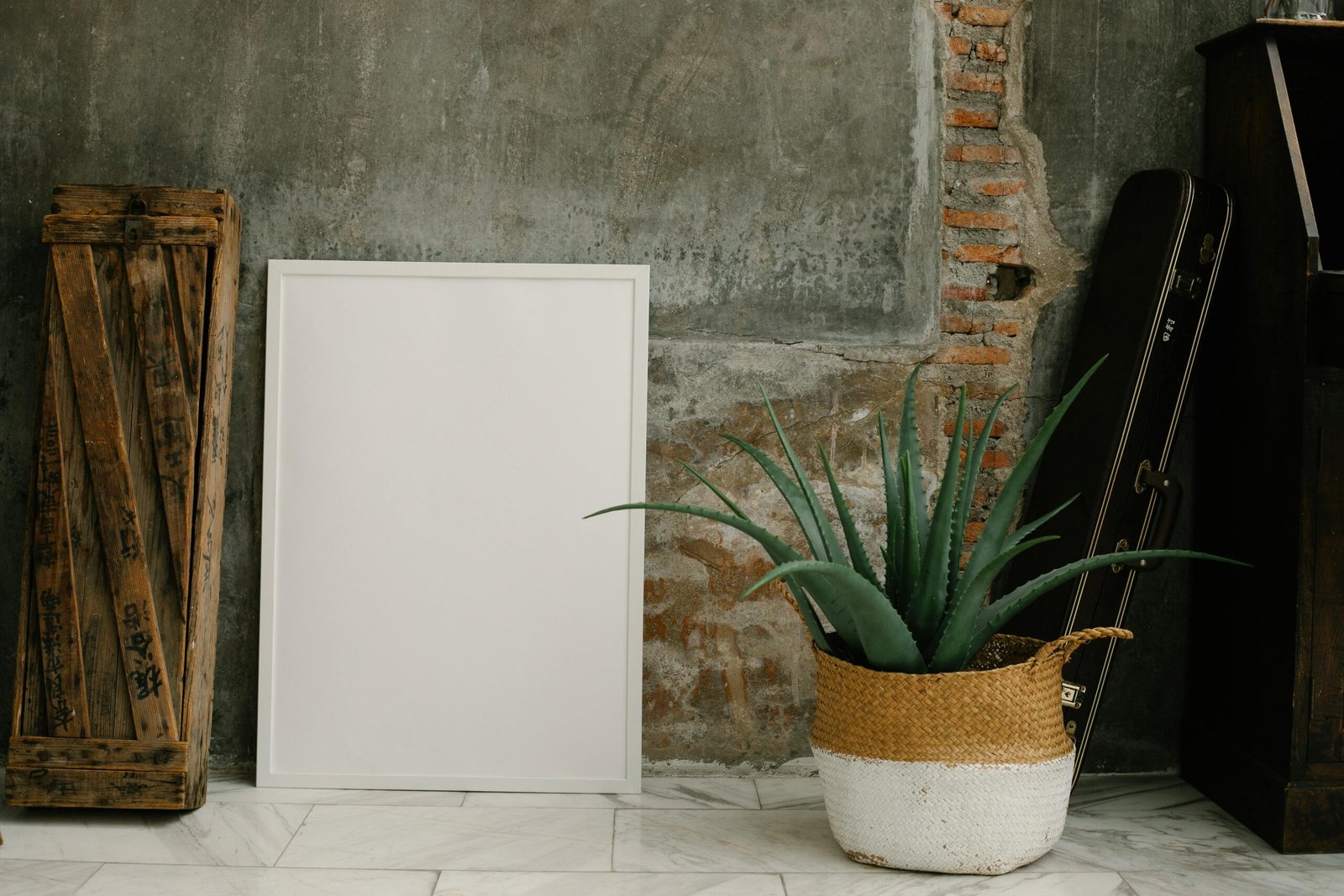
The turning point came after my third failed attempt at keeping an aloe plant alive. I’d follow the care instructions religiously, but it would still turn brown and wilt. I just didn’t have the time or patience for constant watering, repotting, or worrying about sunlight. So, I decided to give faux plants a shot, starting with a small artificial fiddle-leaf fig tree.
I was skeptical at first. Would it look fake? Would it gather dust? Would it make my home feel less alive? But after a few weeks, I realized I didn’t have to worry about any of that. The plant looked just as lively as the real thing, and with a quick dusting every few weeks, it stayed looking fresh. No watering, no pruning, no guilt—just a beautiful, low-maintenance addition to my space.
The Benefits of Faux Plants
- No watering required. Forget about overwatering or underwatering. Faux plants stay looking good without any liquid love.
- Low dust collection. Many faux plants have textured leaves that resist dust buildup, so you won’t have to clean them constantly.
- Year-round beauty. No more watching leaves turn yellow in the winter or dropping because of seasonal changes.
- Pet-friendly. If you’ve curious pets, faux plants are a safe alternative to toxic houseplants.
Best Low-Maintenance Faux Plants for Your Home
Not all faux plants are created equal. Some look too plastic-y, while others require more upkeep than you’d think. Here are my top picks for low-maintenance faux plants that actually look real:
1. Artificial Snake Plant
If you want something sleek and modern, an artificial snake plant is a great choice. It has tall, architectural leaves that look just like the real thing, but without the need for sunlight or water. I placed one in my living room corner, and it instantly became a focal point. The best part? I haven’t had to touch it since I bought it—no watering, no dusting, no fuss.
2. Faux Pothos
Pothos plants are popular for a reason—they’re hardy and easy to care for. But if you want the look without the effort, a faux pothos vine is a fantastic alternative. I draped one along my bookshelf, and it instantly added a touch of greenery without requiring any maintenance. Plus, the leaves are textured, so they don’t look flat or plastic.
3. Artificial Monstera Plant
Monstera plants are trendy, but they can be finicky. If you want the bold, tropical look without the hassle, an artificial monstera is the way to go. I bought one about a year ago, and it’s still looking lush and full. The key is to choose one with realistic veins and a matte finish—it makes all the difference.
4. Faux Eucalyptus
If you love the fresh, herbal scent of eucalyptus but don’t want to deal with the upkeep, a faux eucalyptus arrangement is a great option. I placed a small bouquet in a vase on my kitchen counter, and it instantly brightened up the space. The best part? No wilting, no watering, and no replacing stems.
How to Keep Your Faux Plants Looking Fresh
Just because faux plants are low-maintenance doesn’t mean they’re no-maintenance. Here are a few tips to keep yours looking their best:
Dust Regularly
A quick dusting every few weeks will keep your faux plants looking lively. I like to use a microfiber cloth or a can of compressed air for hard-to-reach spots. It takes less than five minutes, and it makes a huge difference in how realistic they look.
Rotate for Even Wear
If your faux plants are near a window or in direct sunlight, they can fade over time. To keep them looking fresh, rotate them every few months so they wear evenly. This has worked wonders for my artificial fiddle-leaf fig—I haven’t noticed any fading, even after six months.
Choose High-Quality Materials
Not all faux plants are created equal. Cheaper ones often look shiny and plastic, while higher-quality ones have a matte finish and realistic textures. I learned this the hard way when I bought a cheap artificial palm tree that looked more like a prop from a bad sci-fi movie. Since then, I’ve stuck to brands that use realistic materials, and the difference is night and day.
Mix and Match with Real Plants
If you’re still hesitant about going full faux, try mixing artificial plants with real ones. I did this in my bedroom with a faux olive tree and a small real succulent. The faux plant stays perfect without any effort, while the succulent adds a touch of real greenery. It’s the best of both worlds!
Final Thoughts: Why You Should Give Faux Plants a Chance
I used to think faux plants were a cop-out, a lazy way to add greenery to your home. But after seeing how much time and stress they’ve saved me, I’m a total convert. They look just as good as real plants, require zero upkeep, and never die on you. Plus, they’re perfect for renters, busy folks, or anyone who just doesn’t have a green thumb.
So if you’ve been hesitant to try faux plants, I urge you to give them a chance. Start with one or two low-maintenance options, like an artificial snake plant or pothos, and see how they transform your space. You might be surprised—like I was—by how much you love them.
Leave a Reply