Don’t just decorate your kid’s room; create an environment that sparks their imagination. This isn’t just about making a space look cute; it’s about fostering creativity and personal growth. Many parents make the mistake of filling their child’s room with mass-produced, generic decor that does little to inspire. Why? Because they focus on quick fixes rather than creating a space that truly reflects their child’s personality and encourages their development. Let’s dive into how you can transform your kid’s room into a lively, creative space with unique wall art and furniture.
Why Creative Wall Art Matters
Wall art is more than just a decorative element; it sets the tone for the entire room. A bland, generic piece of art won’t excite your child or stimulate their imagination. Instead, opt for wall art that tells a story, sparks curiosity, or reflects your child’s interests. Here’s how you can make it happen:
Personalized vs. Generic
A common mistake parents make is choosing generic artwork that doesn’t hit home with their child. Sure, a generic butterfly or dinosaur print might look nice, but it won’t inspire your kid’s creativity. Instead, consider personalized wall art. This could be a custom illustration of your child’s name, a scene from their favorite story, or even a family portrait. When your child sees something that’s uniquely theirs, it makes the room feel special and tailored just for them.
Interactive Wall Art
Why settle for static art when you can have something interactive? Interactive wall art, like chalkboard walls or magnetic murals, lets your child engage with their surroundings. They can draw, write, or rearrange elements to their heart’s content. This not only keeps them entertained but also encourages creative expression. Also, it’s a great way to teach them problem-solving skills and fine motor control.
Themed Decor
If your child has a favorite theme—whether it’s space, animals, or superheroes—incorporate it into their wall art. Themed decor makes the room feel like a personal sanctuary. For example, you could create a galaxy-themed wall with glow-in-the-dark stars and planets, or a jungle-themed mural with exotic animals peeking out from the corners. The possibilities are endless, and the excitement on your child’s face when they see their favorite theme brought to life is priceless.
Furniture That Inspires
Furniture isn’t just functional; it can also be a source of inspiration and creativity. When choosing furniture for your kid’s room, look for pieces that are both practical and visually appealing. Here are some ideas to get you started:
Multi-Functional Furniture
Kids’ rooms often serve multiple purposes, from playing to studying to sleeping. Multi-functional furniture, like loft beds with built-in desks or storage units, maximizes space and keeps the room organized. For example, a loft bed with a desk underneath gives your child a cozy sleeping area and a dedicated space for homework or drawing. This type of furniture not only saves space but also encourages a sense of independence and responsibility.
Unique and Playful Designs
Who says furniture has to be boring? Opt for pieces with unique and playful designs that reflect your child’s personality. For instance, a bed shaped like a race car, a bookshelf that looks like a treehouse, or a chair designed to look like a giant mushroom. These whimsical designs make the room feel like a playground and spark your child’s imagination. Plus, they’re a fun conversation starter when friends come over.
DIY Furniture Projects
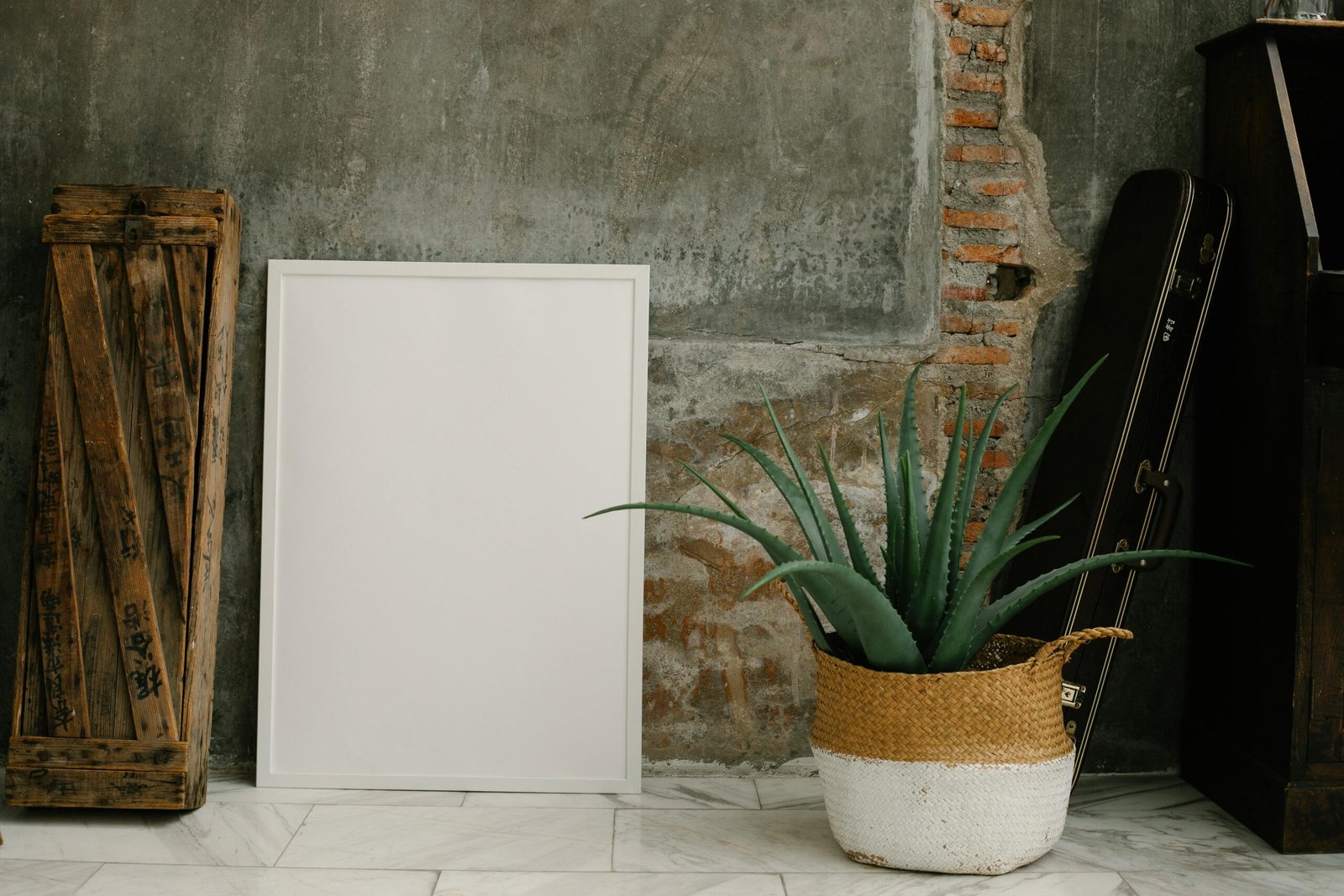
If you’re feeling crafty, consider DIY furniture projects. You can repurpose old furniture or create something new from scratch. For example, you could turn an old wooden crate into a bookshelf or paint a dresser with your child’s favorite colors and patterns. Involving your child in the process not only makes the furniture more personal but also teaches them valuable skills like problem-solving and creativity.
Creating a Cohesive Look
The key to a well-designed kid’s room is coherence. You want the wall art and furniture to work together to create a harmonious and inspiring space. Here are some tips to help you achieve that:
Choose a Color Scheme
Start by choosing a color scheme that reflects your child’s personality and interests. Stick to a few main colors and use them throughout the room in the wall art, furniture, and accessories. This creates a sense of unity and makes the room feel more put-together. For example, if your child loves the ocean, you could use shades of blue and green with pops of yellow for a beachy vibe.
Mix and Match Textures
Texture adds depth and interest to a room. Mix and match different textures in the wall art and furniture to create a active space. For example, pair a smooth wooden bookshelf with a plush bean bag chair or a metallic wall art piece with a cozy rug. This contrast not only looks visually appealing but also makes the room more inviting and comfortable.
Layer the Decor
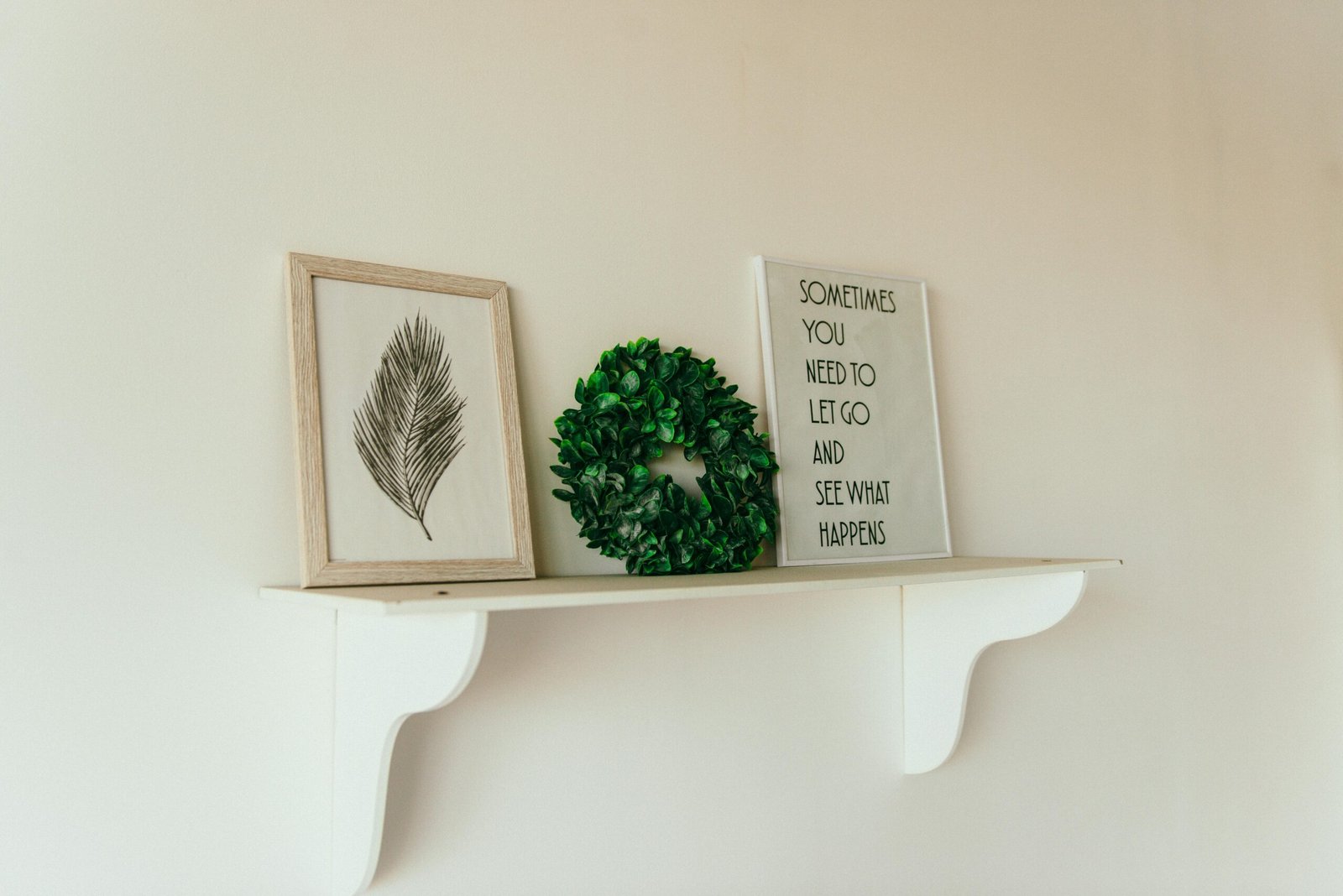
Layering decor elements adds dimension and makes the room feel more lived-in. Start with a base layer, like a large piece of wall art or a statement furniture piece, and build from there. Add smaller decor items, like shelves, wall decals, or decorative pillows, to create a layered look. This not only makes the room more visually interesting but also gives your child plenty of opportunities to personalize their space.
Maintaining the Creative Spirit
Finally, remember that kids grow and change quickly. What they love today might be different from what they love tomorrow. That’s why it’s important to keep the creative spirit alive in their room. Here are some ways to do that:
Rotate the Decor
Regularly rotate the wall art and decor to keep the room fresh and exciting. This could be as simple as swapping out a piece of art or rearranging the furniture. Not only does this keep the room looking new, but it also encourages your child to appreciate different styles and themes. Plus, it’s a fun way to involve them in the decorating process.
Involve Your Child
Let your child have a say in the decorating process. Ask them what they like and dislike, and involve them in making decisions. This not only ensures that the room reflects their personality but also teaches them valuable skills like decision-making and creativity. Plus, they’ll feel a sense of ownership and pride in their space.
Encourage Creativity
Finally, encourage your child to express their creativity in their room. Whether it’s through drawing, building, or playing, give them the freedom to explore and create. This not only makes the room more personal but also fosters a love for learning and creativity that’ll last a lifetime.
Leave a Reply