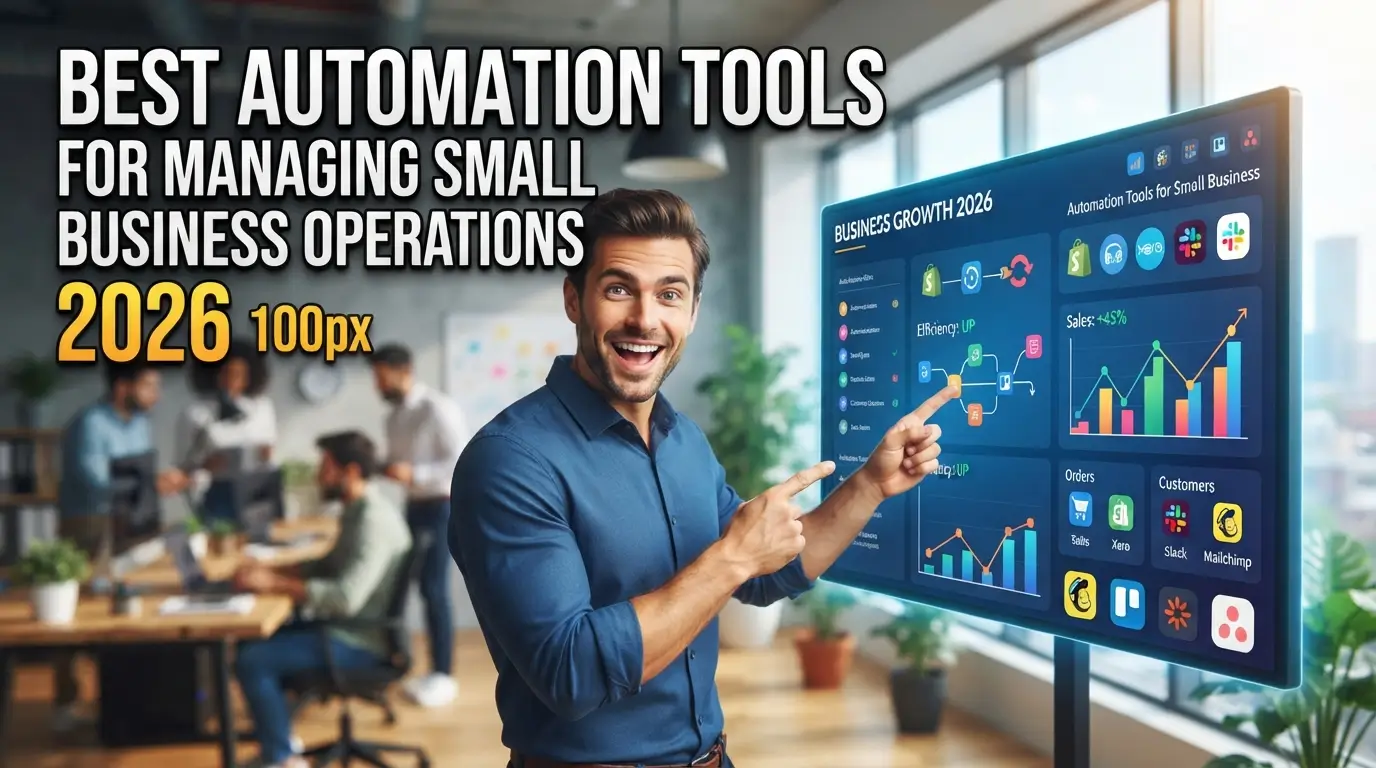
Finding the best automation tools for managing small business operations saved my sanity when customer emails, invoices, and scheduling nearly crushed my three-person team. We spent entire weekends copying data between spreadsheets instead of serving clients. That messy chaos forced me to test software aggressively. Smart software handles the repetitive grunt work behind the scenes, giving you your evenings back while your business runs smoothly on autopilot.
Zapier for Effortless App Integration
Zapier acts like digital glue across your entire software stack. It monitors one platform for a specific trigger, such as a new form submission, and instantly executes an action in another app without manual input. I use it to funnel new Shopify orders directly into a Google Sheets tracker while pinging our fulfillment Slack channel.
Also Read: How to Build an Automated Business Workflow Using AI 2026
This tool is best for non-technical founders who want quick workflow integration between popular services like Stripe, Gmail, and Airtable. You can build simple two-step automations in five minutes flat.
The trade-off comes down to cost and scale. Once your operations grow and trigger thousands of multi-step zaps per month, the monthly pricing spikes dramatically, and debugging multi-branch errors can test your patience. When searching for the best automation tools for managing small business operations, Zapier usually tops the list because it supports over six thousand apps.

Make for Advanced Visual Logic
Make gives you total control over intricate business logic through a visual drag-and-drop builder. Unlike simpler tools, Make lets you manipulate data arrays, add routers for conditional branches, and run complex calculations in real time. We built a custom invoicing routine with Make that parses incoming PDFs, extracts line items, and updates our internal inventory database.
This platform is ideal for tech-comfortable owners or agency operators who need deep visual automation capabilities without custom coding. It processes high volumes of operational data at a fraction of the cost of its main competitors.
The downside is the initial learning curve. Setting up webhook listeners and mapping JSON variables takes real effort, so beginners might find the interface intimidating during their first few builds.
QuickBooks Online for Automated Bookkeeping
Chasing unpaid invoices used to steal three hours of my Friday mornings. QuickBooks Online removes that weekly headache by pulling bank feeds automatically, categorizing routine expenses, and sending recurring invoices with built-in payment links. The system also triggers automated payment reminders to late-paying clients on day three, seven, and fourteen after a due date.
This software fits service businesses, contractors, and boutique shops requiring reliable automated bookkeeping and tax-ready reporting. Connecting your business checking account allows the software to reconcile transactions while you sleep.
The primary downside is the sluggish web interface and clunky customer support. When an automatic bank feed desyncs, fixing the broken connection occasionally requires manual accountant intervention.
HubSpot CRM for Sales and Pipeline Tracking
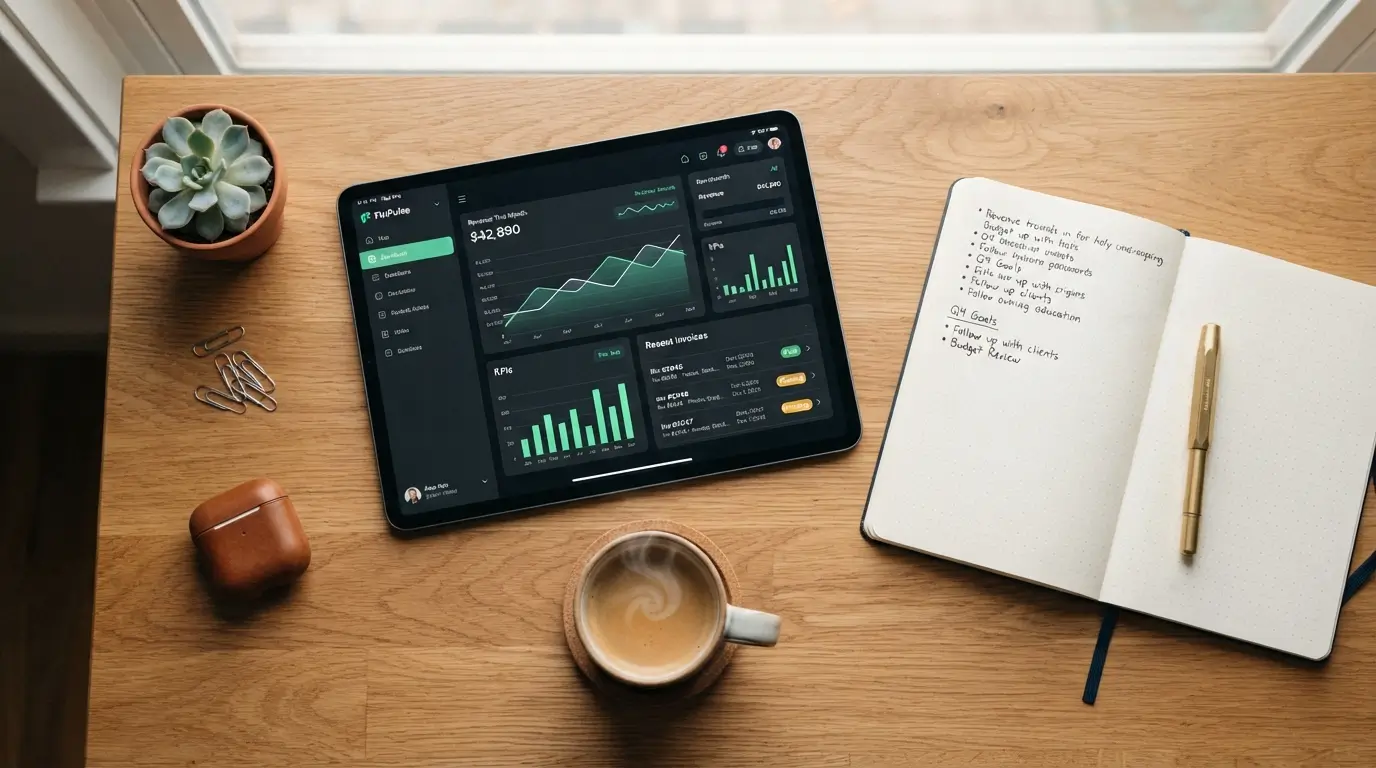
Losing track of warm leads costs small teams thousands of dollars in lost revenue. HubSpot CRM solves this problem by automatically capturing prospect information from website forms, logging client email exchanges, and assigning follow-up tasks to your sales reps. When a prospect opens an email proposal three times in an afternoon, the system notifies you immediately.
It works best for growing service companies that need structured lead management without building a custom database. The free tier offers surprising power for early-stage teams looking to organize their sales pipeline.
The downside surfaces when you outgrow the starter plan. Upgrading to advanced automation sequences and custom reporting requires expensive professional packages that can sting a lean budget.
ActiveCampaign for Intelligent Email Marketing
Broadcast emails often miss the mark when every subscriber needs something different. ActiveCampaign tracks how contacts interact with your site, applying tags to trigger targeted follow-up messages based on user intent. If a prospective client visits your pricing page twice without buying, the platform sends a targeted case study twenty-four hours later.
Also Read: Best AI automation workflows for small business owners 2026
This platform serves digital product creators, ecommerce brands, and boutique agencies that rely on smart behavioral triggers to nurture prospects. It balances advanced email sequences with SMS messaging in one dashboard.
The trade-off is feature complexity. Solo founders who only want to send a basic weekly newsletter will find the interface overly complicated and slow for simple tasks.
ClickUp for Team Project Coordination
Managing client projects inside messy email threads creates missed deadlines and confused staff. ClickUp organizes internal work by automatically assigning tasks, shifting due dates when milestones change, and posting status updates to shared client boards. When a designer marks an asset approved, ClickUp instantly reassigns the task to the copywriter.
This system shines for agencies, marketing teams, and service providers that need strict project tracking across multiple client accounts. Custom automations reduce the need for daily status check-in meetings.
The trade-off is occasional interface lag and a cluttered feature set. If you leave every module enabled, your team will feel overwhelmed by notifications, so you must prune the workspace ruthlessly.

Calendly for Frictionless Client Booking
Endless back-and-forth emails to pick a meeting time drain creative energy. Calendly syncs with your Google or Outlook calendar, displays your live availability, and lets clients book consultations in two clicks. The tool automatically generates Google Meet or Zoom links, adds events to both calendars, and sends SMS reminders before the call.
It is the gold standard for consultants, lawyers, and coaches who need hands-off appointment scheduling with upfront payments. You can even charge a consultation fee through Stripe before confirming the slot.
The trade-off is scheduling rigidity. If you forget to block personal events on your master calendar, clients will book slots during times you intended to take off.
Gusto for Stress-Free Payroll Runs
Payroll tax mistakes bring heavy penalties that keep owners awake at night. Gusto handles employee compensation on autopilot by calculating deductions, running direct deposits on set schedules, and filing federal, state, and local payroll taxes automatically. It also coordinates benefits enrollment and sends digital W-2 forms at year-end.
This platform is built for small employers who want dependable payroll processing without hiring an internal HR department. The automatic onboarding checklist ensures new hires upload their own banking details and tax documents.
The trade-off is the base pricing structure. Micro-businesses with only one or two intermittent contractors might find the recurring monthly platform fee hard to justify compared to manual bank transfers.

How to Pick the Best Automation Tools for Managing Small Business Operations
Building an efficient tech stack requires patience rather than buying every trending software subscription on the market. Start by identifying your biggest operational bottlenecks, whether that is manual data entry, slow invoice dispatch, or missed sales follow-ups. Write down every manual step in that specific workflow before purchasing software.
Test tools that offer native integrations with your existing platforms first. Native connections perform faster and break less often than complex third-party webhooks. IMO, adopting two tools that your team actually uses daily beats paying for ten specialized subscriptions that sit empty.
Remember that identifying the best automation tools for managing small business operations comes down to fixing your specific daily friction points. Begin with a single high-impact area, verify its reliability over thirty days, and expand into other business functions gradually.
Frequently Asked Questions
What are the best automation tools for managing small business operations on a tiny budget?
Start with free tiers on Zapier or Make paired with HubSpot CRM. These tools let you automate contact collection, pipeline tracking, and basic notifications without spending money. As your revenue grows, you can easily upgrade to paid plans to handle higher task volumes.
Can software automation replace hiring full-time staff?
Automation eliminates repetitive admin chores rather than replacing skilled judgment. It allows a small team of two or three people to produce the output of a much larger staff. You still need human insight for strategy, client relationships, and creative problem-solving.
How long does it take to set up automated business systems?
Basic automations like appointment scheduling or email follow-ups take under thirty minutes to launch. Complex multi-step systems connecting inventory, billing, and project management often require two to three weeks of testing to eliminate logic errors and verify data flow.
Will automated communication make client interactions feel impersonal?
Not if you write warm, conversational copy and use smart personalization tokens. Automation should handle routine scheduling and receipts, freeing up your calendar so you can deliver attentive, personalized service during actual client conversations.
What is the most common mistake when automating small business operations?
Automating broken or messy processes is the biggest mistake founders make. If your manual onboarding workflow is confusing, putting it on autopilot only delivers confusion faster. Map out and refine your workflow on paper before building digital triggers.
Conclusion
Running a business gets a lot lighter once your core systems handle the heavy lifting on their own. Pick one bottleneck in your daily routine this week, set up a simple workflow, and see how much time you win back. Which routine task is eating up most of your workday right now?



Leave a Reply